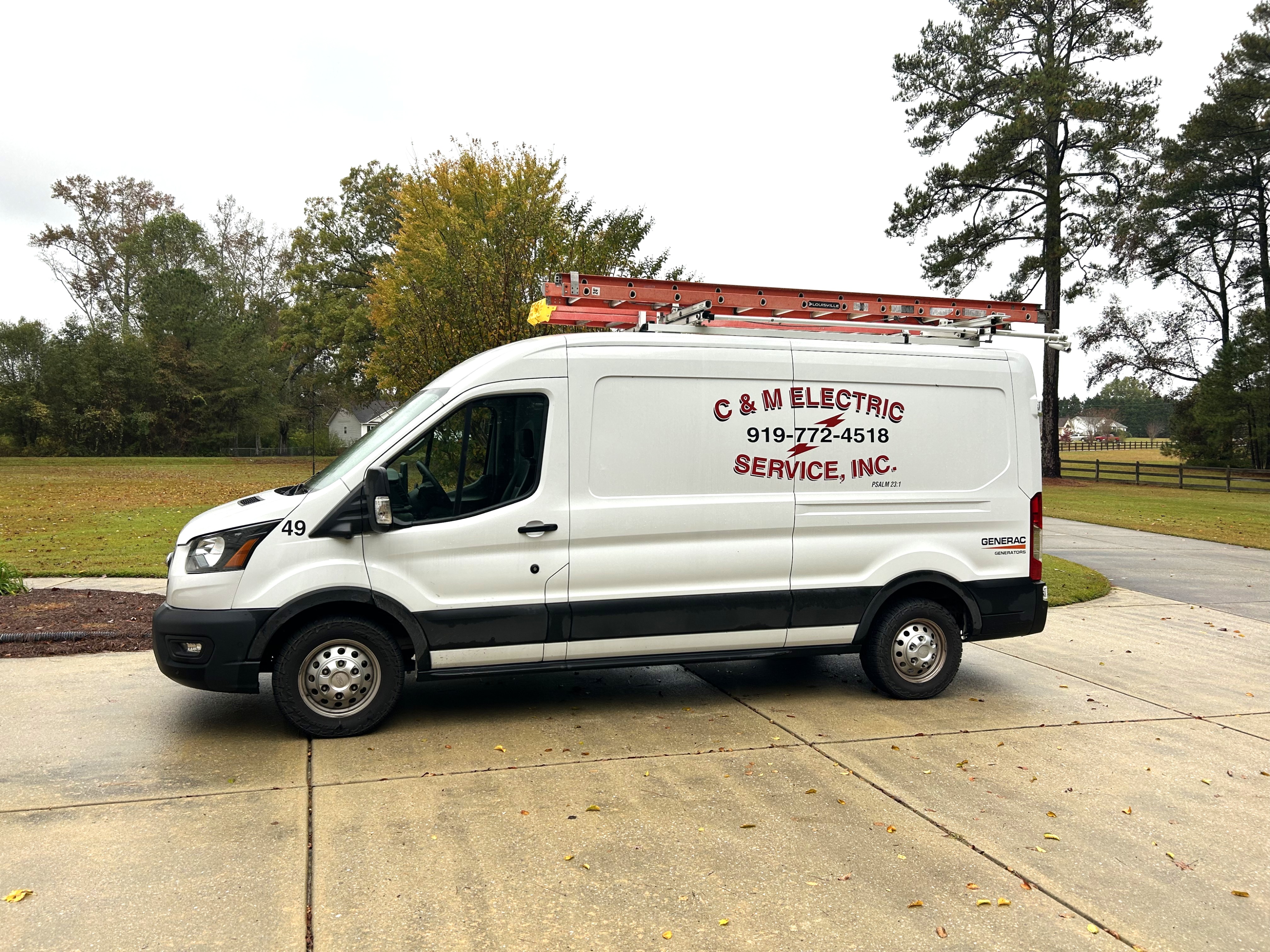
Navigating Electrical Permits: What You Need to Know for a Smooth Installation Mar 21, 2026
Understanding why electrical permits are necessary is the first step. These permits are a legal requirement in most areas and are designed to ensure that electrical work is done safely and in accordance with local codes and standards. They help prevent hazards such as electrical fires, which can result from improper installations. By securing the appropriate permits, you’re also protecting your investment and avoiding potential legal issues if you decide to sell your property in the future.
Before starting any electrical work, it’s crucial to determine whether your project requires a permit. Common tasks like minor repairs or replacing a fixture may not need one, but installations such as new wiring, panel upgrades, or major renovations typically do. It’s best to check with your local building department or consult with a professional electrician, like those at C&M Electric Service, to clarify what your specific project entails.
Once you’ve identified the need for a permit, the application process begins. Although it might vary slightly depending on your local jurisdiction, the general process involves filling out an application form specifying the details of your project. This may include sketches or plans of the work to be carried out. In some cases, submitting supplementary documentation or paying a fee may be necessary.
After submitting your application, it undergoes a review process where inspectors ensure that your planned work complies with local electrical codes. This step is crucial to avoid future complications, and any discrepancies found might require adjusting your plans. Thus, it’s a good idea to collaborate with experienced electricians from the start to avoid delays.
Once approved, you can proceed with your installation. However, keep in mind that the process doesn’t end there. Most jurisdictions require an inspection upon completion of the work to ensure everything is up to code. Scheduling this final inspection promptly is important, as it gives the project a formal stamp of approval and peace of mind knowing the work is safe and reliable.
In conclusion, although obtaining electrical permits may initially seem complex, understanding the process can help streamline your project. Seeking assistance from professionals like C&M Electric Service ensures that you’re guided every step of the way—from determining the need for a permit to scheduling the final inspection. This not only saves time but also assures that the job is completed safely and legally.
By following the right procedures and enlisting the help of experts, you can navigate the world of electrical permits with ease, ensuring a successful and trouble-free installation that stands the test of time. Remember, compliance with permit regulations is not just a legal requirement; it’s a testament to the quality and safety of your electrical work.
/filters:no_upscale()/filters:format(webp)/media/5dadf6cc-0543-4a48-9814-745393a41208.jpeg)